Homecare Association responds to Baroness Casey’s speech on adult social care
The Homecare Association has welcomed Baroness Casey’s clear warning that adult social care faces deep structural challenges and urgent reform is needed.
As Baroness Casey noted, since 1997 the UK has seen 22 potential reforms, commissions or reports. The evidence base is not the problem. The challenge is that responsibility for adult social care sits across central government, local authorities and the NHS. When accountability is fragmented, no single part of the system truly owns the problem.
Homecare sits at the heart of any sustainable solution. Every day, homecare providers support hundreds of thousands of people to live independently and safely in their own homes. Care workers help people maintain dignity, remain connected to their communities and avoid unnecessary hospital stays.
Homecare is not only a vital public service. It is essential national infrastructure that enables millions of family members to remain in work, supports the functioning of the NHS, and contributes significantly to the wider economy.
Baroness Casey also highlighted the importance of improving pay and conditions for care workers and referenced the Homecare Association’s evidence on fee rates from the Homecare Deficit Report. Examining how the state funds and commissions services is essential to understanding workforce challenges in social care.
Our data show:
- 29% of councils and Health and Social Care (HSC) Trusts pay average rates below the direct employment costs of careworkers at the minimum wage in each UK administration — almost quadruple the 2023 figure.
- No UK nation or region funded homecare at or above the Homecare Association’s Minimum Price for sustainable homecare in 2025–26.
- Only one organisation — Pembrokeshire County Council — met or exceeded the Minimum Price in 2025–26.
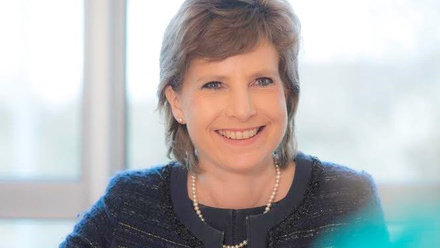
Dr Jane Townson OBE, Chief Executive of the Homecare Association, said:
“Baroness Casey has described the challenges in adult social care with real clarity. Care workers provide skilled, compassionate support that allows people to live independently and maintain dignity in their own homes - and they deserve fair pay and good working conditions.
“But we cannot ignore the structural problem at the heart of the system. Local authorities and NHS bodies purchase around 80% of homecare services and often set prices below the cost of delivering safe, regulated care and employing staff legally.
“When the state buys care below the cost of lawful employment, it creates a race to the bottom where responsible employers struggle to compete with those cutting corners.
“Much of this work happens quietly in people’s homes. That quiet compassion is one reason social care struggles to command the political attention it deserves.”
Homecare represents one of the greatest opportunities to improve people’s lives while easing pressure on hospitals. Investing in high-quality care at home helps people remain independent and supports the Government’s ambition to shift care from hospital to community.
Reform on this scale will require political courage. As Baroness Casey argued, the country needs an honest national conversation about how we prepare for an ageing society and how care should be funded in the future. The Homecare Association supports engaging the public directly in shaping those choices.
The Homecare Association will carefully examine the Commission’s report once it is published. However, given the scale of the challenges Baroness Casey outlined, we cannot wait several more years for action.
We continue to call on the government to:
Legislate: Introduce a statutory National Contract for Care requiring commissioners to pay cost-reflective rates calculated through an agreed national method.
Invest: Ring-fence social care budgets and invest at least £3 billion across the United Kingdom to close the historic funding deficit in homecare.
Reform: Replace competitive minute-by-minute purchasing with geographic, capacity-based contracts that guarantee hours, enable stable employment and support compliance with the Employment Rights Act.
ENDS
For media inquiries, contact:
Email: [email protected]
Mobile: 07917 853 568
Notes to editors
- The Homecare Association is the UK’s leading membership body for homecare providers, with over 2,100 members nationally. Its mission is to ensure society values and invests in homecare, so we can all live well at home and flourish in our communities. The Homecare Association acts as a trusted voice, taking a lead in shaping homecare, in collaboration with partners across the care sector. It also provides hands-on support and practical tools for its members. The Homecare Association's members agree to abide by the Association's Code of Practice.
- The total number of PAYE-registered or VAT-registered organisations (enterprises) involved in providing or organising adult social care in England as at 2024/25 was estimated at 19,000. Two in five (42%) were providing residential services and three in five (58%) were providing non-residential services (Skills for Care, 2025).
- Local authorities and the NHS buy 70-80% of all care services (LaingBuisson 2024).
- 96% of supported living.
- 89% of care homes for younger adults.
- 79% of homecare.
- 57% of older people’s care homes.
- NHS funding represents 25% (£1,692 million) of the total funding for homecare (£6,656 million). The rest comes from councils (50%; £3,348 million); direct payments (3%; £212 million); private-pay (21%; £1,375 million); and other (1%; £30 million) (LaingBuisson 2024).
- Despite some perceptions, private equity involvement in the care sector is limited. Just 12.2% of older people’s care homes; 10.1% of younger adult care homes; and 12.2% of homecare/supported living services are private equity backed.