The Homecare Association has welcomed the publication of new research from The King’s Fund examining public attitudes to adult social care in England, describing it as an important and timely contribution to the debate about why reform has proven so difficult to achieve.
The report, ‘Not my priority’: How the public sees social care (and what can be done about it), finds that public understanding of social care remains limited, in part because only a small proportion of people use publicly funded services in any given year, satisfaction is at record lows, and reform continues to struggle for political priority.
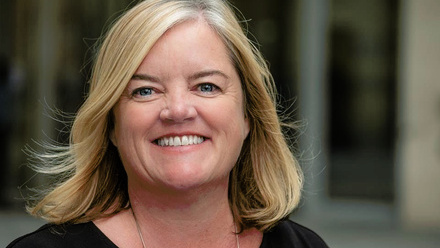
Dr Jane Townson OBE, Chief Executive of the Homecare Association, said:
“This report holds up a mirror to the sector and to politics. It deserves to be read carefully and taken seriously.
“One finding surprises us. The report suggests the public associates social care mainly with vulnerability and protection, and that the Care Act’s vision of independence and choice has largely passed people by. Our own research suggests something more nuanced. When people are asked about ‘social care’ in the abstract, they may think about safety and compassion. But when they think about their own future, they talk about living well at home, staying connected to their communities and remaining independent for as long as possible. That aspiration is real - and it is widely shared.”
“The report rightly notes that politicians have been 'highly cautious' about reform. In our view, what has been missing is not public goodwill but sustained political leadership,” Dr Townson continued. “Other countries did not wait for public opinion to shift. They led a national conversation, built cross-party consensus and prepared the ground for reform over several years.”
She added: “Social care has too often become politically toxic because debate starts with funding mechanisms rather than with what kind of system we want and what outcomes matter most to people.”
The Association also said public attitudes may evolve as more families encounter the realities of care costs and access barriers.
“As our population ages, more families will experience first-hand how complex and expensive care can be. The shock that many feel when they first navigate the system is not going away. Over time, that experience is likely to increase pressure for change. The question is whether we prepare responsibly for that moment or continue to defer difficult decisions.”
The Homecare Association called on the Casey Commission to broaden and formalise its engagement with the sector.
“The Casey Commission has an important opportunity, and we want it to succeed. But durable reform requires genuine consultation.
“We urge the Commission to establish transparent and formal routes for engagement - not only with people who draw on care and their families, whose voices are essential, but with the providers who deliver care and the 1.6 million professionals who make it possible. Reform designed without those who make the system work in practice will struggle to succeed.”
Dr Townson concluded:
“This report is a reminder that reform will not happen by accident. It requires political courage, cross-party dialogue and a clearer public narrative about what social care makes possible.
“Homecare has a powerful story to tell. It is the part of social care that most directly enables people to remain in their own homes, connected to their communities and living as independently as possible - which is exactly what most people say they want.
“We stand ready to work with partners across the sector and with government to build a system that is properly funded, fairly staffed and fit for the future.”
ENDS
For media inquiries, contact:
Email: [email protected]
Mobile: 07917 853 568