This webinar focuses on delegated healthcare activities in homecare, exploring what it means in practice, why it matters now, and how providers can put safe, effective arrangements in place for people with increasingly complex needs.
Why attend:
Delegated healthcare activities are becoming increasingly important for homecare providers as people’s needs become more complex, pressure on community services grows, and neighbourhood health models develop. This session will help providers understand what delegation means in practice, where risks arise, and what safeguards need to be in place.
We will explore common concerns, including unclear accountability, gaps in training and competency assessment, task creep, poor documentation, and pressure to accept tasks.
The session will also cover practical steps providers can take to strengthen governance, including delegation agreements, competency frameworks, care planning, escalation boundaries, and audit. You will also hear about current and planned support for the sector, including work led by Skills for Care and the Homecare Association.
By attending this session, you will:
- Understand how delegated healthcare has developed in the homecare sector
- Learn the principles that support safe and effective delegation in homecare
- Identify common risks for homecare providers, including unclear accountability, task creep, and poor documentation
- Gain practical advice on delegation agreements, competency assessment, care planning, escalation, and governance
- Understand how delegated healthcare in homecare may feature in CQC inspection activity
- Hear about current resources and upcoming work to support homecare providers
Send us your questions!
If you have questions you would like us to address during the session, please send them in advance [email protected]
Meet the Speakers
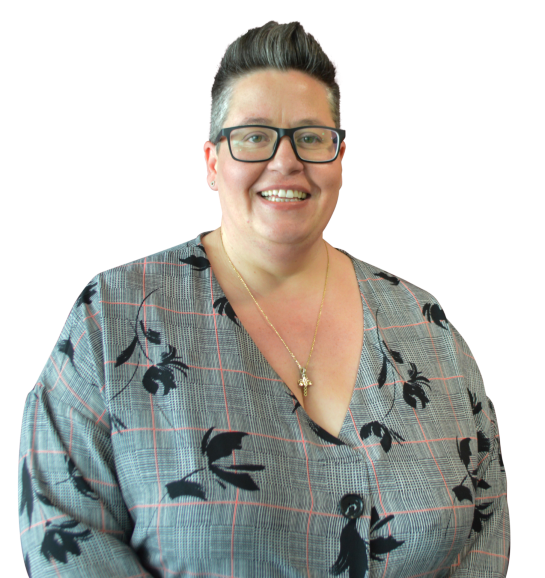
Michelle Tennant - Clinical Governance Lead - Home Instead
A nationally recognised expert in delegated healthcare, she has extensive experience shaping policy, practice, and governance across adult social care. She contributes to DHSC programmes and Skills for Care resources, helping define safe delegation for complex activities, including catheter care, PEG feeding, and diabetes management. Through partnerships with NHS teams, she develops and tests delegation pathways, competency frameworks, and supervision models. Her work supports over 265 homecare services to deliver safe, person-centred delegated care at scale.

Rachel Yates Hoyles - National Practice Innovation Lead - Skills for Care
Rachel Yates Hoyles is National Practice Innovation Lead at Skills for Care, where she leads national work on delegated healthcare activities. She supports systems, providers, and partners across health and social care to safely embed delegated healthcare practices, enabling more responsive, person-centred care and strengthening collaboration between sectors.
Rachel works closely with Integrated Care Systems (ICSs), local authorities, and care providers to translate policy into practice, ensuring that delegated healthcare activities are implemented with clarity, confidence, and a strong focus on safety, governance, and workforce capability.
With over 20 years’ experience in dementia care, workforce development, and practice innovation, Rachel brings both strategic leadership and frontline insight to her role. She has led the development of national resources, guidance, and learning programmes, supporting services to adopt new models of care that improve outcomes for people and communities.
Alongside her national role, Rachel is a co-founder and trustee of Beacon Dementia & Wellbeing, an award-winning charity providing relationship-led, community-based support for people living with dementia and their families. Her work is grounded in lived experience and a strong commitment to inclusive, strengths-based practice.
Rachel is passionate about co-production, partnership working, and creating cultures where people feel confident, skilled, and empowered to deliver high-quality care.