Delegated healthcare activities – have your say!
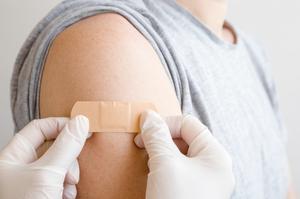 We know homecare providers are already carrying out activities which would previously have been done by healthcare professionals. Activities like medication administration, wound care, and catheter care are just some examples of the additional work that homecare staff are now doing. We have heard too of staff supporting with complex feeding needs (e.g., using a PEG tube) and even some ventilation support.This change has been happening for some time, but what has not been seen is consistent support, guidance, training and recognition for the carers to feel confident and competent when carrying out this additional work.
This work is already happening, and some have called it “health by stealth” in reference to the lack of proper planning and training that has accompanied this change. A research study at King’s College London is now looking to find out more about what is happening when healthcare activities are or aren’t delegated in homecare settings, and how acceptable it might be for and appropriate homecare providers and staff to take on more activities like this. We want to show what is needed to help support homecare workers and their employers to care for their most complex client’s needs safely for everyone involved.
To help us do this, we have an anonymous survey for managers of homecare providers to complete to tell us what the current healthcare delegation practices are where they work. Your answers are important in shaping the research and potentially future practice and policy for care work. There are shopping vouchers to be won for those who take part. Click here to complete the survey or scan the QR code:

We also have opportunities for care providers to have their say by taking part in other ways such as interviews. This would involve several staff across different agencies, and we can offer financial compensation as well as a certificate showcasing your participation in research. If you are interested in taking part, please contact Dr Monica Leverton who leads this research at King’s College London by calling 0207 848 1782 or emailing: [email protected].